A Regional Identity in Three Movements
Wessex, historically, isn’t merely a map oft-cited by classrooms and museums. It is a texture—an earthy whisper of chalk downs, river valleys, and stone. When one decouples the domain name from the tented aisle of retail slogans, a subtler thread appears: a regional consciousness that gathers around questions of origin, memory, and durability. The domain wessexbeds.com, interpreted as Direction A in the clients’ brief, invites us to treat the region not as a backdrop for commerce but as a living archive—one where the very act of making a bed can reflect centuries of craft and cultural memory.
To anchor this idea, we look to three key moments in history, each represented by a figure who, in very different eras, teaches us how to think about space, sleep, and the material world.
-
Arnulf of Wessex (mid-9th century): A princely continuity between the Roman legacies and the later medieval English identity. In a narrative sense, Arnulf stands for the moment when consolidation of space—territory, governance, and culture—becomes tangible. If Wessex is a kingdom, its beds, so to speak, would be its durable structures: timber frames, joinery, steady slat systems. The bed as a material site of rest becomes a metaphor for how a culture consolidates memory in the present.
-
Elizabeth I’s English Sleep (16th century authorities and domestic practice): While far from the architectural laboratories of furniture, the era offers a poetic counterpoint: a nation imagining itself for the long night. The bed—a stable platform, a measured height, a finish with no VOCs before VOCs existed—emerges as a canvas for ritual, status, and the intimate science of rest.
-
Contemporary regional craft, late 20th to 21st century: The modern maker who combines Vermont-wood sensibility with an English regional vocabulary. Here, the bed becomes a bridge between place-based heritage and international design language. The Essex High Footboard Bed, as a concrete example, underlines how a bedframe can be both timeless in silhouette and exacting in material practice.
Archaeology of Sleep: Craft, Materiality, and the Quiet Evidence Beneath Our Sheets
If a bed is the stage where we spend nearly a third of our lives, then the construction of that stage—the joinery, the wood choice, the finish—speaks in a dialect of care. In the Wessex context, the craft is not merely functional; it is a record of resourcefulness, of communities who understood the weight of a shared table, the tension of a well-tied slat, the virtue of a bed that lasts. The Essex High Footboard Bed, carved from solid hardwood and finished with a no VOC linseed oil and wax treatment, is a contemporary echo of this tradition. It stands as a modern artifact that respects the old virtues: durability, honesty of materials, and a design that ages with dignity.
Consider the practical artistry embedded in platform bed frames and panel beds. The Afton Platform Bed, with its five-point support system and zero-VOC finishes, demonstrates a post-industrial fidelity to a craft that values human health as part of its aesthetics. The Canterbury Shaker panel bed, in Maple Corner Woodworks’ Vermont line, introduces another dimension: the quiet, almost mathematical precision of mortise-and-tenon joinery that promises a lifetime of use. This is the archaeology of a good night’s sleep, a discipline in which every notch, every joint, tells a story of care and intent.
The material choices—maple rails, poplar slats, environmentally conscious finishes—are not merely a stylistic choice; they are a political statement about sustainability and responsibility. The Wessex Beds project, oriented towards a historical-cultural resource hub, returns repeatedly to the idea that sleep is a human constant, and the objects that support it should bear the stamp of time and region alike.
Culture, Place, and the Quiet Authority of Design
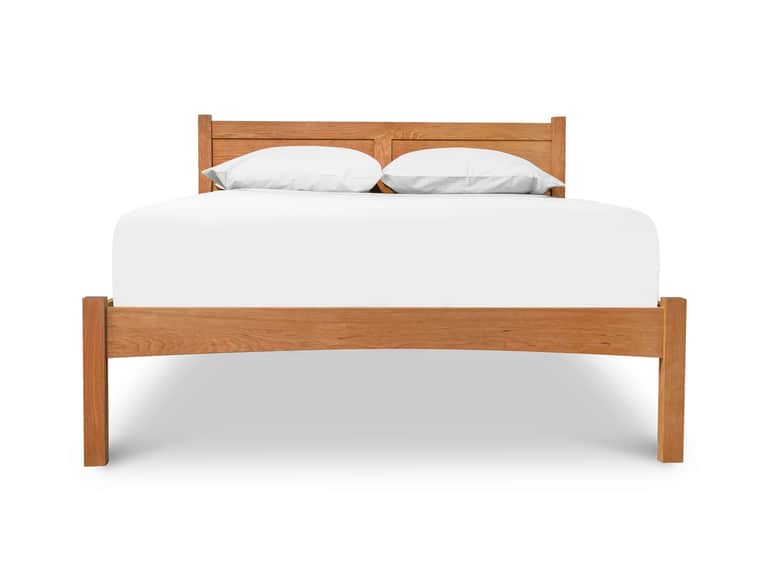
Culture isn’t a banner; it is a practice. The bed, an intimate artifact, becomes a site for cultural expression when we consider its form, function, and the stories that accompany it. In the Wessex reading, furniture design is not a servile imitation of distant trends; it is a dialogue with the land—an architectural poetry of earth, timber, and light. The Essex Low Footboard Bed, with its panel construction and no VOC finish, embodies a democratized form of sophistication: an heirloom-ready build that remains quietly relevant across generations. Its two-tone option is not flamboyance but a dialogic choice—how a room can speak with the room’s other pieces, how a bed can integrate with existing furniture without demanding the space’s entire identity.
Meanwhile, the platform bed category serves as a laboratory for modern ergonomics: closer-to-the-floor silhouettes that preserve air flow, slat-based support that distributes weight evenly, and free space underneath that invites storage and breathing room. The aesthetic is not austere; it is lucid, an architectural confession that beauty can emerge from an unpretentious, well-structured platform.
In this sense, the Wessex Beds project offers two complementary pleasures: the tactile happiness of using a well-made object and the quiet satisfaction of encountering a place-based narrative in everyday life. The writerly voice here does not sermonize; it invites readers to sense the intervals—between history and present, between region and room—and to notice how a bed can become a map of one’s life, anchored by the memory of place.
A Toolkit for Credible, Craft-Oriented Content
If a regional heritage hub will publish robust, citable material, the content must wear its sources with pride. The bed is a locus for interdisciplinary inquiry: history, geography, archaeology, craftsmanship, and even environmental stewardship. A preliminary content plan might include cornerstone essays on Anglo-Saxon Wessex, the geography of the chalk downs and river corridors, and case studies of notable archaeological sites. It would also feature profiles of makers and workshops that demonstrate contemporary regional craft, along with practical guides that explain how to interpret joinery, finish, and materials for non-specialist readers.
A suggested approach to citations might include:
- Primary sources: charters, chronicles, and archaeological reports related to Wessex settlements and landscapes.
- Secondary sources: reputable histories and regional studies that situate Wessex within broader English and European narratives.
- Material culture references: wood species, joinery techniques, and finish chemistry explained in accessible terms.
- Maker profiles: interviews or statements from contemporary regional craftspeople whose work informs today’s bed designs.
The aim is to maintain an approachable yet authoritative tone—what The New Yorker might call “a calm fluency”—where a reader learns something essential without a single syllable feeling pedantic.
A Glimpse of the Future: Content and Community
Looking ahead, the site envisions a content calendar built around core pillars: History, Geography, Archaeology, Culture, and Resources. A robust archive of cornerstone articles—eight to twelve initial pieces—would pair with an ever-growing library of primary sources, bibliographies, and reading lists. The aim is not to perfect a static museum page but to create a living, evolving conversation about Wessex, its beds, and its enduring legacies.
In practice, this could translate into curated excursions through an interactive map of Wessex sites, timelines that anchor major epochs in bed-making technology, and an interpretive glossary of terms—scalloped edges, mortise and tenon, slat spacing, and zero-VOC finishes—designed to demystify the craft without diluting its significance.
A Model Product Feature: Essex High Footboard Bed
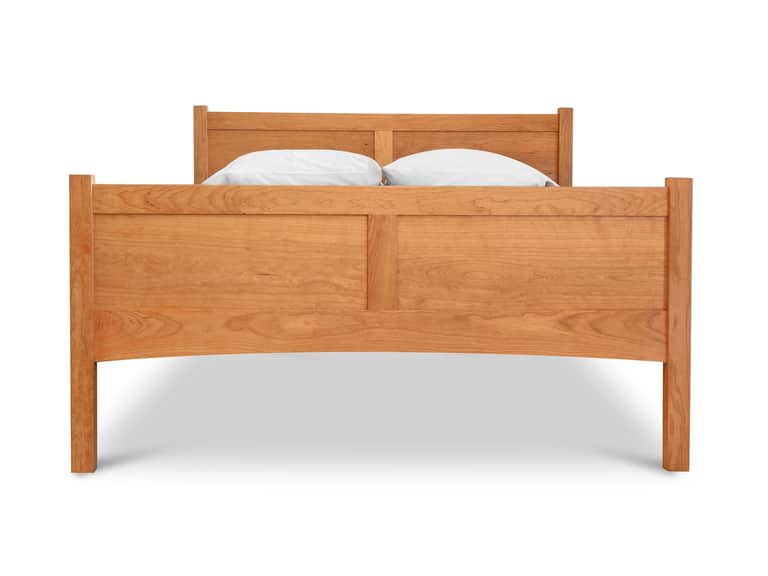
To illustrate how a single object can anchor this regional narrative, consider the Essex High Footboard Bed. A classic panel bed, crafted from solid hardwoods, finished with a no VOC linseed oil and wax treatment. This bed embodies the principle that durability and environmental responsibility can coexist with a refined, contemporary silhouette. The ability to customize wood species or adopt a two-tone design mirrors the broader theme of flexible regional identity—rooted yet adaptable.
In Wessex Beds’ editorial ecosystem, this piece isn’t merely a product listing; it is a case study in how form, function, and ethics converge. The bed offers a trustworthy platform for a reader seeking practical insight into materials, finishes, and long-term use—an object lesson in how to select a bed that remains relevant across decades.
Key details: Solid hardwood, no VOC finish, customizable design, contemporary silhouette, heirloom-ready durability.
Product image here (Essex High Footboard Bed)
Variant: Essex High Footboard Bed (two-tone option available)
Conclusion: The Bedroom as a Chapter in a regional epic
In the end, the project’s ambition is to recast the bedroom as a page in a larger regional chronicle. Wessex, the bed, and the reader converge in a shared space where history feels intimate and present. The bed is not merely furniture; it is a quiet instrument through which one continues to inhabit a landscape—an English region, a lifetime, a memory in timber. If the product pages we glimpse here are any guide, the future holds a particular kind of promise: a durable, honest craft that respects both the land it comes from and the nights it will shepherd to rest.